


Products


Tire Shredder for Rubber Recycling
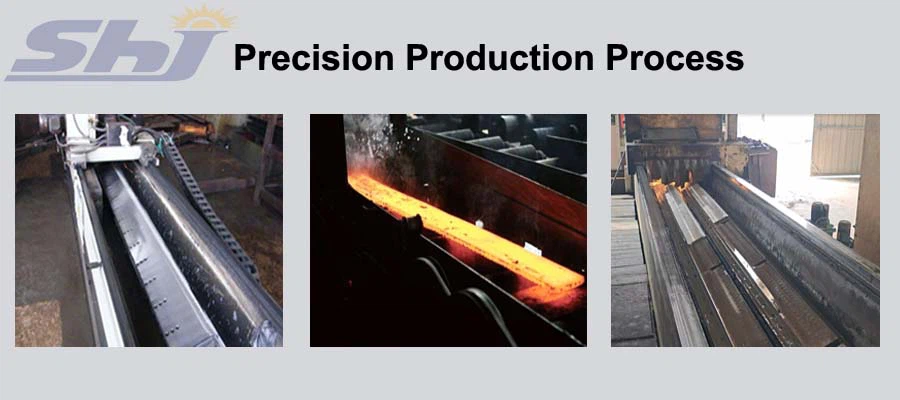
Product Details- Rubber shredder knife <p For Shredder Brands: Vecoplan Weima West Salem Woodpower Shred Tech Granutech Other regular dimensions: 43x43x20mm, 60x60x25mm, 80x80x45mm Packaging photos of Rubber shredder knife Packaging:Wooden case. Product process diagram of Rubber shredder...
Features
Tire Shredder Blades for Rubber Recycling – Heavy Duty, Custom Built
Tire recycling places extreme demands on shredder blades. Unlike many other materials, tires combine tough rubber, steel wire, and fabric reinforcement in one product. During shredding, this creates high impact, severe abrasion, and constant stress that ordinary blades are not designed to handle.
Tire shredder blades are built for this exact job. They must withstand the force of whole tires, resist wear caused by steel cord, and maintain reliable cutting performance over long production cycles. Just as important, they must fit your shredder correctly. Even a small mismatch in size, tooth pattern, or blade thickness can reduce efficiency and shorten blade life.
Because every machine and application is different, custom tire shredder blades are often the better choice than standard replacements. Different shaft sizes, blade arrangements, and tire materials require a blade design that matches the real working condition.
We are an OEM industrial blade manufacturer specializing in custom shredder blades for demanding applications. Send us your drawing, sample blade, or machine details, and we will provide a blade solution designed for fit, durability, and reliable performance.
Blades for Every Stage of Tire Recycling
Tire recycling is not a single cutting step. It is a multi-stage process, and each stage places different demands on the blades. From breaking down whole tires to producing smaller rubber granules, blade design must match the material condition, cutting load, and target output size at each stage. Using the right blades at the right point in the process helps improve efficiency, reduce wear, and achieve more consistent results.
Primary Shredder Blades – Breaking Down Whole Tires
Primary shredders handle the toughest part of the process: reducing whole tires into rough strips or chunks, typically in the range of 50–150 mm. At this stage, the blades must absorb heavy impact, bite into thick rubber, and withstand the stress caused by embedded steel cord and reinforcement materials.
These primary tire shredder blades are designed for strength, toughness, and stable cutting under heavy loads.
- Best for: Passenger tires, truck tires, and OTR tires
- Typical output: Rough tire strips or chunks for secondary shredding
Secondary Shredder Blades – Further Size Reduction
After the first shredding stage, the material becomes smaller, but it is often more challenging in a different way. Steel wire may already be exposed, the rubber pieces are denser, and the blades must continue cutting under high abrasion. Secondary shredders usually reduce the material to around 10–40 mm, depending on the recycling process.
At this stage, secondary shredder blades need stronger wear resistance, reliable grip, and a tooth design that can process partially opened tire material more efficiently. Serrated blade profiles are often used to improve traction and cutting control.
Granulator Blades – Final Rubber Size Reduction
Granulators are used for the final stage of tire recycling, where the goal is to produce cleaner and more uniform crumb rubber, typically in the range of 1–10 mm. Unlike primary and secondary shredding, this stage focuses more on cutting precision and particle consistency.
These granulator blades require sharper edges, tighter machining tolerances, and stable performance at higher operating speeds. In some applications, surface coatings can also help reduce sticking and improve blade cleanliness during continuous processing.
Typical output: Clean rubber granules for downstream reuse or end-product manufacturing
Materials That Stand Up to Steel Cord
The right material makes all the difference. Here's what we offer for tire recycling:
| Material | Hardness (HRC) | Best For |
|---|---|---|
| D2 Tool Steel | 58-60 | General tire shredding – good wear resistance |
| SKD-11 (Cr12MoV) | 58-62 | Abrasive compounds – excellent wear life |
| SKH-51 (W6Mo5Cr4V2) | 62-64 | High-impact, steel cord – tough and heat resistant |
| Tungsten Carbide Tips | 75-78 HRA | Maximum blade life – 8-12x longer than steel |
| 42CrMo Body + D2 Tips | Varies | Combination blades for extreme applications |
Tungsten carbide-tipped blades represent the ultimate in tire shredding performance. The carbide tips (90-94 HRA) withstand the combined abrasive and impact loads of steel-belted radial tires, lasting 8-12 times longer than conventional steel blades.
Not sure? Tell us what tires you're shredding and your volume. We'll recommend the right material.
Custom Tire Shredder Blades – Built to Your Specs
Every tire shredder is different, so standard replacement blades often fail to provide the right fit, durability, or cutting performance. That is why we manufacture custom tire shredder blades built to your exact requirements. You can send us a drawing, a sample blade, your machine make and model, or simply tell us what tires you are processing and what problems you are facing. Based on your application, we will review the details, provide a clear quotation, and produce blades that match your machine and working conditions. Need OEM replacement blades? Send us your existing blade and we can replicate the key dimensions, material, and cutting profile for reliable replacement performance. With direct support, flexible order quantities, and real experience in tire recycling applications, we make custom blade sourcing simple and practical.
Frequently Asked Questions About Tire Shredder Blades
Q1: What are tire shredder blades used for?
Tire shredder blades are used to cut and size-reduce waste tires during the recycling process. They are designed to handle tough rubber, fabric layers, and embedded steel wire, making them essential for primary shredding, secondary shredding, and other tire recycling stages.
Q2: Why are tire shredder blades different from regular shredder blades?
Tire shredder blades are built for much tougher working conditions than regular shredder blades. They must withstand higher impact, resist wear from steel cord, and maintain reliable cutting performance when processing whole tires and reinforced rubber materials.
Q3: How do I choose the right tire shredder blades for my machine?
The right tire shredder blades depend on your shaft size, blade thickness, tooth design, tire type, and target output size. In most cases, custom tire shredder blades provide a better fit and more stable performance than standard off-the-shelf replacements.
Q4: How long do tire shredder blades last?
Blade life depends on tire type, steel content, machine setup, operating conditions, and blade material. Heavy duty shredder blades for tires generally last longer when they are properly matched to the application, but highly abrasive or high-impact conditions will always shorten service life.
Q5: Can you make OEM replacement tire shredder blades?
Yes, OEM replacement tire shredder blades can be manufactured based on your drawing, sample blade, or machine model. Key details such as dimensions, bore size, tooth profile, thickness, and material can be matched to ensure reliable replacement performance.
Q6: What materials are commonly used for tire shredder blades?
Tire shredder blades are usually made from wear-resistant tool steels selected for strength, toughness, and service life. The best material depends on the tire type, steel wire content, shredding stage, and machine load, so blade material should be chosen based on the actual application.
Q7: Are custom tire shredder blades better than standard blades?
Custom tire shredder blades are often the better choice because tire shredders vary in shaft size, blade arrangement, and working conditions. A custom blade can provide better fit, improved cutting stability, and longer service life than a generic replacement blade.
Q8: When should tire shredder blades be replaced?
Tire shredder blades should be replaced when cutting performance drops noticeably, wear becomes excessive, or the blade profile no longer supports stable shredding. Common signs include lower throughput, more frequent jamming, uneven output, and increased machine load.
Q9: Can worn tire shredder blades be reconditioned or re-sharpened?
In some cases, tire shredder blades can be reconditioned or re-sharpened, depending on their wear pattern and remaining blade structure. If the blade is heavily cracked, deformed, or worn beyond a safe limit, replacement is usually the better option.
Q10: What information do you need to quote custom tire shredder blades?
To quote custom tire shredder blades, it helps to provide a drawing, a sample blade, your machine make and model, or details about the tires you are processing. Information about current blade problems, output size, and operating conditions can also help define the right blade solution more accurately.
Hot Tags: Tire Shredder for Rubber Recycling,manufacturer, industrial shredder blades, circular saw blade for cutting rubber, cutting disc for rubber, cutting rubber with circular saw, Rubber cutting knife, rubber cutter knife, rubber cutter blade
No Information
You Might Also Like


Send Inquiry
