


Rotary Metal Slitters
Rotary Metal Slitters for Precision Metal Processing
Rotary Metal Slitters play a central role in coil slitting and metal processing lines. A well-matched knife, such as rotary slitter knives, rotary shear blades, or rotary metal slitting shears, helps maintain stable cutting clearance, hold tight thickness tolerances, and produce clean, consistent strip width. These factors affect burr levels, line stability, and overall slitting quality.
Engineers typically evaluate several points when choosing rotary slitter knives for metal slitting and side trimming. They look at dimensional accuracy, edge durability, compatibility with existing equipment, and how the blade performs across different metals and gauges. This page outlines the key specifications, knife types, and practical considerations that support informed selection for coil slitting or trimming applications.
Key Factors That Define High-Quality Rotary Slitter Knives
Before choosing a blade for a slitting or trimming line, many engineers also look for reliable OEM rotary metal slitters or options for customized rotary metal slitters. This ensures the knife matches their equipment, material, and cutting parameters. With accurate specifications, the blade can integrate smoothly into existing coil slitting or roll shear systems without unnecessary adjustments.
Stable Thickness & Dimensional Accuracy
A rotary slitter knife performs at its best when thickness variation stays minimal. Tight tolerances help maintain cutting clearance, support accurate strip width, and control burr levels.
Our rotary metal slitters and rotary slitter knives follow strict thickness tolerances to support consistent performance on coil slitting lines.


Material Selection Based on Metal Type
Knife material directly affects durability, wear resistance, and edge stability. Engineers usually choose different steels depending on the metal being slit:
- D2 / SKD11 — for general steel coil slitting
- Cr12MoV — for higher-strength metals
- HSS (M2, M35) — for long continuous runs
- Tungsten carbide — for abrasive or ultra-hard materials
Selecting the right steel helps a rotary metal slitting shear or rotary shear blade maintain sharpness and reduce the need for frequent adjustments.
Cutting Surface Quality & Edge Geometry
Edge geometry plays a major role in burr control, friction, and knife lifespan.
- Common edge options include:
- Double bevel
- Single bevel
- Compound bevel
- Honed edge
- Flat edge
The ideal geometry depends on metal gauge, line speed, and slitting line design. Matching these parameters helps the blade run smoothly and maintain predictable cutting performance.

Types of Rotary Metal Slitters Available


Applications Supported by Rotary Metal Slitters
Rotary metal slitters work across a wide range of coil slitting and trimming equipment. Seeing familiar machine types often helps engineers confirm whether a blade fits their line. Our rotary slitter knives, roll shear blades, and related tools integrate smoothly with many systems, and we support OEM specifications as well as customized rotary metal slitters for non-standard setups. When needed, our technical team provides 1-to-1 assistance to match the blade to your equipment and material.


Each application has different requirements for hardness, geometry, tolerance stability, and long-run sharpness. Providing the equipment type, metal grade, and slitting parameters helps us confirm the most suitable blade design for your line.
How We Support Your Selection
With more than 25 years of experience in industrial replacement blades, we support engineers and production teams who need reliable rotary slitter knives for slitting or side trimming. We provide both customized rotary metal slitters and OEM specifications, helping users match blade dimensions, materials, and geometry to their exact equipment setup.
Our team reviews your coil material, equipment type, metal gauge, and cutting parameters before recommending a suitable knife design. This process keeps the blade aligned with your clearance settings, line speed, and burr-control requirements.
If you plan to adjust your coil line, change material grades, or improve slitting accuracy, we can help evaluate the key parameters—such as steel type, hardness range, thickness tolerance, and edge geometry—to ensure the blade performs consistently in your production environment.
As a professional Chinese industrial replacement blades supplier, we focus on practical, data-based support so you can select a blade that integrates smoothly into your slitting or trimming line.
Request Technical Information or a Quote

If you need support selecting the right rotary slitter knife, you can share:
- Drawing (if available)
- Coil material and thickness
- Required tolerances
- Knife dimensions
- Application details
We respond with technical confirmation and a clear quotation so you can plan replacement cycles without delay.
List of Rotary Metal Slitters
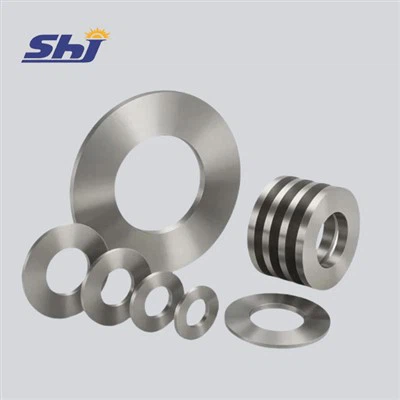
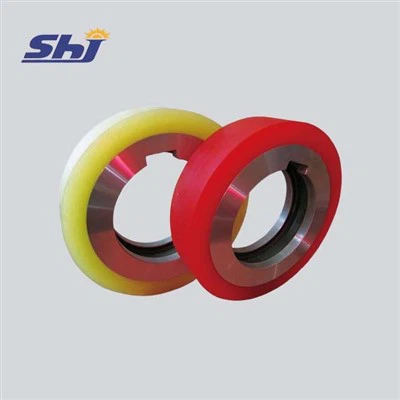


We're one of the most professional circular metal knife manufacturers and suppliers, offering grinding products for sharpening knife. Please feel free to buy circular metal knife and replacement parts at reasonable price from our factory.
Metal shear blade