


What Are Shredder Blades Made Of?
Introduction
When you're working with tough materials in recycling or waste processing, the performance of your shredder largely depends on the quality of its blades. The right blade material can significantly boost efficiency, reduce downtime, and extend your equipment's lifespan. But how do you choose the best material for your needs?
At SHJ KNIFE, with years of experience in the industrial blade sector, we've helped countless clients navigate this challenge. We understand the unique demands of shredding different materials, from plastics to metal waste, and we know that the right material makes all the difference in achieving maximum performance.
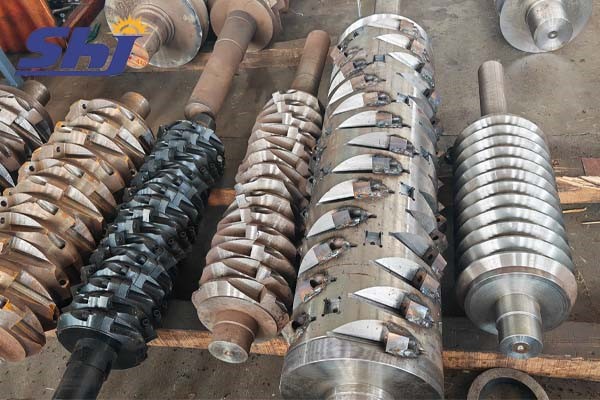
In this guide, we'll break down the most common materials used in shredder blades, highlighting their key features, strengths, and recommended applications. Whether you're looking for durability, cost-effectiveness, or high performance, we've got you covered with expert recommendations tailored to your specific shredding needs.
1. Common Shredder Blade Materials
Choosing the right material for shredder blades is essential to ensure optimal performance and longevity. Different materials offer distinct advantages depending on the type of materials you're shredding. Below is an overview of the most commonly used materials for shredder blades and their unique benefits.
1.1 High-Strength Alloy Steel
High-strength alloy steel is a popular material for many industrial shredders due to its excellent balance of hardness and toughness. It is highly effective for processing softer materials like plastics, paper, and rubber. Alloy steel blades resist wear and tear while maintaining durability under heavy pressure, making them ideal for general recycling tasks.
Key Benefits:
- Excellent wear resistance: Performs well under continuous use in general recycling tasks.
- Good toughness under heavy load: Can handle demanding conditions without cracking.
- Ideal for processing non-abrasive materials: Best for plastics, paper, and rubber.
- Economical choice: Offers great value for everyday shredding applications.
Application:
Perfect for shredding plastics, paper, and rubber in general recycling environments.
1.2 Tungsten Carbide Shredder Blades
When shredding harder and more abrasive materials such as metals, tires, or e-waste, tungsten carbide shredder blades excel. Known for their extreme hardness and superior abrasion resistance, carbide blades perform exceptionally well in tough, high-impact tasks. However, they come at a higher price point due to their specialized properties.
Key Benefits:
- Superior hardness and durability: Can withstand intense abrasion and high-impact forces.
- Performs well under high-impact conditions: Ideal for shredding tough materials.
- Best for heavy-duty applications: Perfect for metals, tires, and other abrasive materials.
- Higher cost: Though more expensive, they provide exceptional performance for demanding tasks.
Application:
Ideal for shredding metal, tires, and e-waste, where abrasion resistance is critical.
1.3 High Carbon Steel
High carbon steel (such as 60Si2Mn or T10) is another widely used material for shredder blades. After heat treatment, it offers moderate hardness and excellent impact resistance, making it a great choice for shredding non-abrasive materials such as plastics, foam, and paper. It provides a cost-effective solution for less aggressive applications.
Key Benefits:
- Good impact resistance: Protects against wear caused by blunt force.
- Affordable option: Cost-effective for general-purpose shredding.
- Suitable for softer materials: Ideal for processing plastics, paper, and rubber.
- Moderate hardness: Balances between durability and cost.
Application:
Great for shredding plastics, paper, and rubber in less demanding environments.
1.4 High-Speed Steel (HSS)
High-speed steel (HSS) has excellent cutting performance and superior wear resistance, making it ideal for shredding medium-strength and medium-hardness materials. It is commonly used for recycling and general waste processing due to its high cutting speed and durability.
Key Benefits:
- Exceptional cutting performance: Suitable for high-speed cutting tasks.
- High wear resistance: Maintains sharpness over long periods of use.
- Suitable for medium-strength materials: Ideal for general waste and recycling tasks.
Application:
Perfect for processing medium-strength materials in general recycling operations.
1.5 Stainless Steel (Martensitic and Ferritic)
Stainless steel offers excellent corrosion resistance and is available in martensitic or ferritic grades. Martensitic stainless steel is ideal for applications requiring high hardness and corrosion resistance, while ferritic stainless steel is more resistant to corrosion and is suitable for environments like food processing and medical applications.
Martensitic Stainless Steel Key Benefits:
- High corrosion resistance and hardness: Perfect for environments with corrosive materials.
- Ideal for food processing: Commonly used in the food industry.
- Ferritic Stainless Steel Key Benefits:
- Excellent corrosion resistance: Resistant to corrosion in harsh environments.
- Strong and tough: Suitable for high-hygiene applications.
Application:
- Martensitic stainless steel: Used in food processing and other high-corrosion environments.
- Ferritic stainless steel: Common in chemical, medical, and food processing industries.
1.6 Powder Metallurgy Steel
Powder metallurgy steel is produced using a powder-based process, which allows for a more uniform material structure and higher hardness. This material is ideal for high-strength, high-wear applications such as shredding hard plastics, metal scrap, and fiberglass. The powder metallurgy process enables complex blade shapes to be produced, which can enhance cutting efficiency and adapt to specific material requirements.
Key Benefits:
- High hardness and wear resistance: Ideal for heavy-duty applications.
- Complex shapes: Allows for the creation of blades with specific designs to suit custom needs.
- Excellent durability: Provides superior performance in demanding environments.
Application:
Ideal for shredding hard plastics, metal scrap, and fiberglass, as well as other tough materials.
Shredder Blade Material Comparison
|
Material |
Key Benefits |
Ideal For |
Common Applications |
|
High-Strength Alloy Steel |
Excellent wear resistance, tough under load |
Plastics, paper, rubber |
General recycling of plastics, paper, rubber |
|
Tungsten Carbide |
Superior hardness, handles high-impact conditions |
Metals, tires, e-waste |
Shredding metals, tires, abrasive materials |
|
High Carbon Steel |
Good impact resistance, affordable option |
Plastics, paper, rubber |
Shredding plastics, paper, rubber |
|
High-Speed Steel (HSS) |
Exceptional cutting, high wear resistance |
General waste, recycling tasks |
Medium-strength material shredding, general waste recycling |
|
Martensitic Stainless Steel |
High corrosion resistance, high hardness |
Food processing, high-corrosion environments |
Food processing, medical, high-corrosion applications |
|
Ferritic Stainless Steel |
Strong, corrosion-resistant |
Chemical, medical, food |
Chemical, medical, food processing industries |
|
Powder Metallurgy Steel |
Complex shapes, high durability |
Hard plastics, metal scrap, fiberglass |
Hard plastics, metal scrap, fiberglass recycling |
2. choosing the Right Material for Your Shredder
At SHJ KNIFE, we know that selecting the right material for your shredder blades is a critical decision that impacts the efficiency, durability, and cost-effectiveness of your shredding operations. Whether you are processing soft plastics or tough metals, choosing the right blade material ensures smooth operation and long-lasting performance. With our years of experience in the industry, we've helped clients tackle this challenge, offering tailored advice based on their specific shredding needs. Below, we provide a detailed breakdown of how to select the best material for your shredder, based on real-world cases and expert recommendations.
2.1 Light to Medium-Duty Shredding
If you're working with softer materials like plastics, paper, or foam, you need shredder blades that strike a balance between durability, performance, and cost. At SHJ KNIFE, we recommend choosing a material that will give you consistent performance without the need for frequent replacements.

Recommended Materials: High Carbon Steel or High-Strength Alloy Steel
Real-World Case:
A client in the plastic recycling industry switched to high-strength alloy steel blades for processing plastics. This change helped them reduce operational downtime by 30%, as their blades endured longer without requiring sharpening or replacement. The steel's resistance to wear made it a cost-effective option for their needs.
Why These Materials?
High carbon steel and high-strength alloy steel are both tough and cost-effective options for shredding materials that don't cause excessive wear. They offer a great mix of impact resistance and wear resistance, providing reliable, long-term performance for less demanding tasks.
2.2 Heavy-Duty Shredding
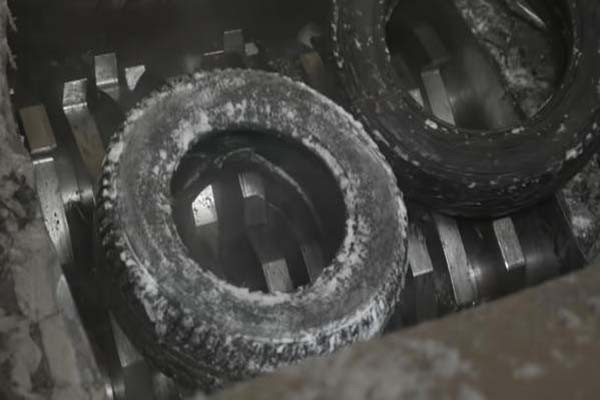
When dealing with materials like metals, tires, or electronic waste, you need blades that can withstand extreme wear and high-impact conditions. For these types of shredding tasks, it's essential to choose a material that remains sharp and efficient under the most challenging conditions.
Recommended Material: Tungsten Carbide
Real-World Case:
One of our clients in the tire recycling sector faced constant blade wear when using standard alloy steel blades. After switching to tungsten carbide, they saw a 50% improvement in blade lifespan and a 40% increase in overall shredding efficiency. Tungsten carbide's hardness helped them process rubber and steel with fewer blade replacements, saving time and money.
Why This Material?
Tungsten carbide is renowned for its incredible hardness and wear resistance, making it perfect for shredding tough, abrasive materials. Although it's more expensive than other materials, its superior performance in demanding environments ensures you get the most out of your investment.
3. Mixed Applications
For many businesses, shredding operations require the ability to handle a variety of materials, both soft and tough. If you're dealing with mixed materials, a hybrid or combination blade might be the best solution. These blades offer versatility without sacrificing performance.

Recommended Material: Hybrid or Carbide-Tipped Blades
Real-World Case:
A recycling plant that handled both plastic and metal waste found success with carbide-tipped blades. These blades allowed them to efficiently shred plastic bottles while also handling tougher materials like aluminum cans and scrap metal. By using carbide-tipped blades, the plant saw a significant reduction in maintenance costs and an increase in blade longevity.
Why This Material?
Hybrid and carbide-tipped blades combine the toughness needed for softer materials with the durability required for tougher materials. This makes them ideal for operations that process a range of materials, from plastics to light metals. These blades offer the flexibility to handle mixed applications while maintaining high performance.
3. How to Choosing the Right Material for Your Shredder?
At SHJ KNIFE, we understand that selecting the right material for your shredder blades is not a one-size-fits-all decision. The material you choose depends heavily on the type of materials you're shredding, the conditions your shredder operates under, and the specific performance goals you have. With years of experience in the industrial blade sector, we've helped countless clients choose the optimal blade material for their unique needs. Below, we'll provide professional, case-based advice to guide you through the decision-making process.
3.1 Material Hardness and Strength
Shredding tougher, harder materials accelerates blade wear. For example, processing metals or rigid plastics will cause more abrasion, requiring more durable blades to maintain performance over time.
3.2 Shredder Blade Design
The design of the blade-its shape, angle, and arrangement-affects how the material is cut, and how evenly the blade wears. Well-designed blades reduce unnecessary strain and extend the blade's operational life.
3.3 Workload and Operating Conditions
High workloads or extreme operational conditions (like high speeds, temperatures, or moisture) can rapidly degrade blades. Understanding the specific conditions your shredder will face helps in choosing the most suitable blade material and design.
3.4 Maintenance and Care
Regular maintenance-such as cleaning, adjusting blade alignment, and lubrication-greatly impacts the longevity of the blade. Proper upkeep can prevent premature wear and ensure long-lasting performance.
3.5 Material Pre-Treatment
Pre-treating materials, like removing large metal objects before shredding, can reduce the strain on blades, minimizing wear and extending their life
Conclusion: Make the Right Choice for Your Shredder Blades
Choosing the right shredder blade is about more than just selecting the material. Factors like blade design, operating conditions, maintenance practices, and material pre-treatment all play crucial roles in determining the performance and lifespan of your shredder blades. By understanding these key elements, you can make a more informed decision, ensuring that your shredder operates at its best while minimizing downtime and maintenance costs.
At SHJ KNIFE, we combine years of industry expertise with high-quality, customized blade solutions tailored to your specific shredding needs. Whether you need blades for light, heavy-duty, or mixed applications, we offer professional advice and support to help you choose the perfect fit for your operation.
Ready to optimize your shredder's performance? Contact SHJ KNIFE today for expert guidance and a customized solution that fits your business needs. Let us help you get the most out of your equipment with blades that last longer and perform better.


