


Custom Shredder Blade Supplier: 7 Checks Before Ordering
Introduction
Replacing industrial shredder blades is not simply a matter of finding another supplier and comparing prices. For recycling plants, a replacement blade must fit the machine, suit the material being processed, and meet the requirements of the existing production line.
Problems often arise when important details are overlooked during purchasing. A blade may look similar to the original but have different mounting dimensions. A material specification may appear suitable on paper but may not match the actual working conditions. Even when the first order is acceptable, inconsistent specifications can create difficulties when replacement blades are needed again.
This is why choosing a custom shredder blade supplier requires more than reviewing a quotation. Buyers sourcing recycling machine blades should look at how a supplier handles the full process, from the initial technical discussion to manufacturing, inspection, and repeat orders.
The following checks focus on the points that are difficult to judge from a quotation alone.
Article Summary
- Introduction
- 1. Does the Supplier Understand Your Machine and Recycling Application?
- 2. Can the Supplier Work with Your Drawings or Existing Blade Samples?
- 3. How Does the Supplier Select and Identify Blade Materials?
- 4. What Should You Know About Heat Treatment and Hardness?
- 5. Will the Replacement Blades Fit Your Equipment Correctly?
- 6. How Are Specifications Confirmed Before Batch Production?
- 7. Can the Supplier Maintain Consistency for Future Orders?
- A Quick Comparison Before You Place an Order
- Frequently Asked Questions
- Conclusion
1. Does the Supplier Understand Your Machine and Recycling Application?
Before discussing blade prices or materials, the supplier needs to understand where and how the blades will be used. A recycling plant processing plastic waste has different requirements from a facility handling tires, rubber, or metal scrap. Even within the same recycling sector, machine design, feedstock conditions and operating loads can vary considerably.
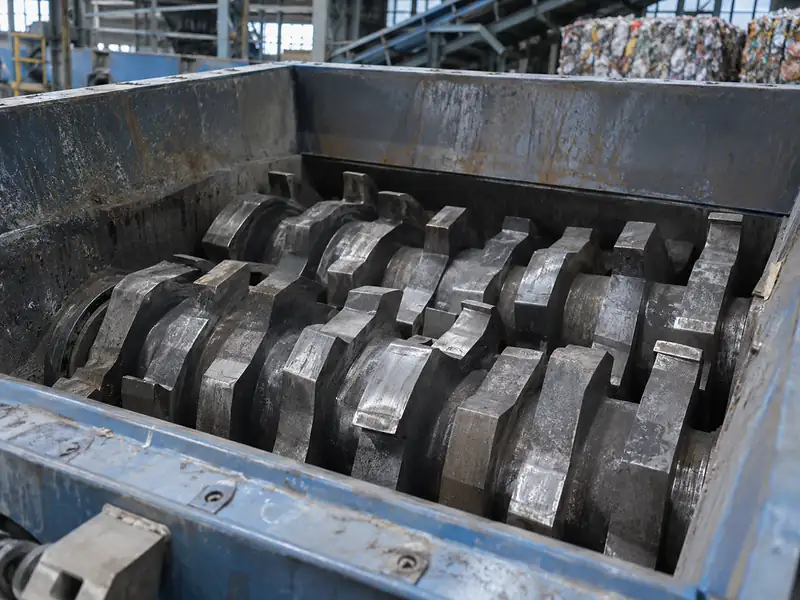
For plastic recycling, the cutting stage matters. Coarse size reduction may use plastic shredding knives , while downstream size reduction may involve plastic crushing and grinding knives . Further processing may require plastic granulating knives . These are related but different applications, so the machine stage and cutting function should be clear before the blade specification is finalized.
A tire processor may need tire and rubber shredder blades , while a scrap yard may be sourcing metal recycling blades . The application, machine design and working conditions should be discussed before the blade specification is finalized.
The first conversation should go beyond the blade dimensions. A supplier should be interested in the actual application:
- What machine will the blades be installed in?
- What material is being processed, and is it clean, mixed, contaminated or abrasive?
- Are the blades used as rotor knives, counter knives, granulator knives or another cutting component?
- Is this a routine replacement or a new blade specification?
- What issues have occurred with the existing blades, if any?
A supplier does not need to know every detail of the customer's production line. However, they should be willing to ask relevant questions rather than immediately recommending a standard product.
If you are still comparing blade structures and cutting functions, our existing guide to types of shredder blades covers the different blade configurations and selection considerations. This article focuses on a different question: how to evaluate the supplier behind the blade.
2. Can the Supplier Work with Your Drawings or Existing Blade Samples?
One of the most common challenges in replacement blade purchasing is incomplete technical information. Some buyers have detailed CAD drawings and original specifications. Others only have an old blade, a few photographs, or the machine model. In some cases, the original manufacturer is no longer the preferred source for replacement parts.
For a custom shredder blade order, the supplier may need to review the following details before confirming a quotation:
- Overall dimensions and blade thickness
- Tooth profile and cutting-edge geometry
- Mounting holes, bolt positions and counterbores
- Installation orientation and contact surfaces
- Material and hardness requirements
- Any machine-specific drawing notes or tolerances
When drawings are available, the supplier should review the critical dimensions and identify missing information before production. When only a physical sample is available, measurement may provide a starting point for developing a replacement blade. However, an old blade is not always an accurate representation of its original design. Wear, deformation and previous repairs may have changed its dimensions.
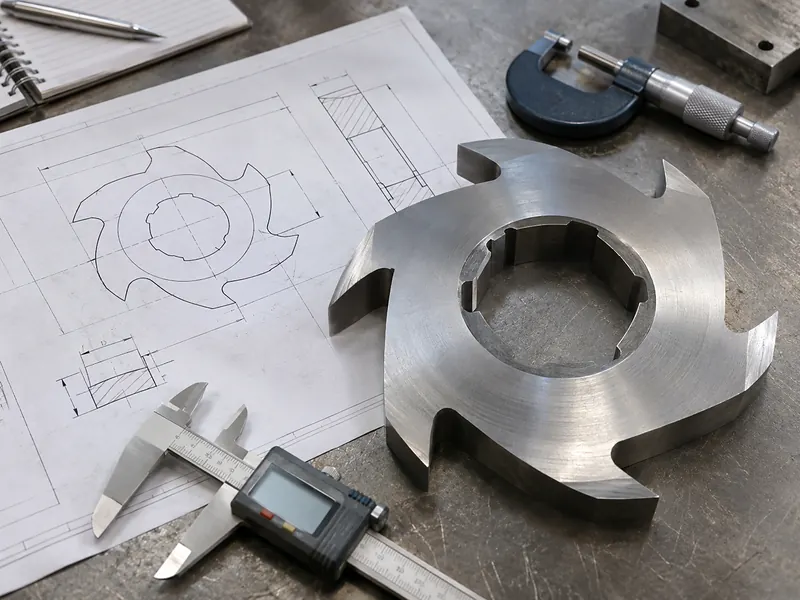
The measurement results and proposed specifications should therefore be reviewed before they are used for manufacturing. For more information about SHJ KNIFE's industrial blade manufacturing background and working approach, buyers can visit the SHJ KNIFE About Us page .
For buyers, the important question is not simply whether a supplier can copy an existing blade. It is whether the supplier can identify the relevant specifications, clarify uncertainties and communicate technical requirements before production begins.
3. How Does the Supplier Select and Identify Blade Materials?
Material selection is one of the key differences between competing shredder blade quotations. Two suppliers may offer blades with similar dimensions but specify different steel grades or material properties. Unless you understand what those differences mean for your application, comparing prices alone can be misleading.
The right material depends on the type of waste being processed, operating conditions, blade design and expected service requirements. For recycling applications, buyers should consider several factors:
Resistance to abrasive wear
Ability to withstand impact loads
Edge stability during operation
Compatibility with the blade geometry and dimensions
Consistency of the supplied material
Different steel grades offer different combinations of wear resistance, toughness and hardness. If you are comparing material options, our guide to the best materials for shredder blades explains the characteristics and typical applications of high-speed steel, alloy steel and tool steel.
Steel grades can also be listed under different national designations. For example, D2, SKD11 and 1.2379 are commonly encountered when sourcing industrial blades. Our guide to global tool steel equivalents explains these naming differences and why confirming the actual material specification matters when placing an order.
A supplier should be able to explain why a particular steel grade is recommended rather than simply listing it on a quotation. Buyers should also ask how the material is identified and documented. For repeat purchases, retaining the approved material specification and, where applicable, material certificates or batch records helps maintain consistency between orders.
Higher alloy content or a higher advertised hardness does not automatically mean better performance. The material needs to match the actual working conditions, with wear resistance and toughness considered together. Heat treatment also affects the final properties of the blade, so it is worth reviewing the supplier's heat treatment quality inspection process when evaluating manufacturing capability.
4. What Should You Know About Heat Treatment and Hardness?
After material selection, heat treatment is another area that deserves attention. The mechanical properties of a steel blade are influenced not only by its original material but also by the subsequent heat-treatment process.
For shredder blades, hardness needs to be considered together with toughness and the intended working conditions. Excessive hardness may increase the risk of chipping or cracking under certain impact conditions. On the other hand, insufficient hardness may contribute to faster wear. There is no single hardness value that is suitable for every shredder blade.
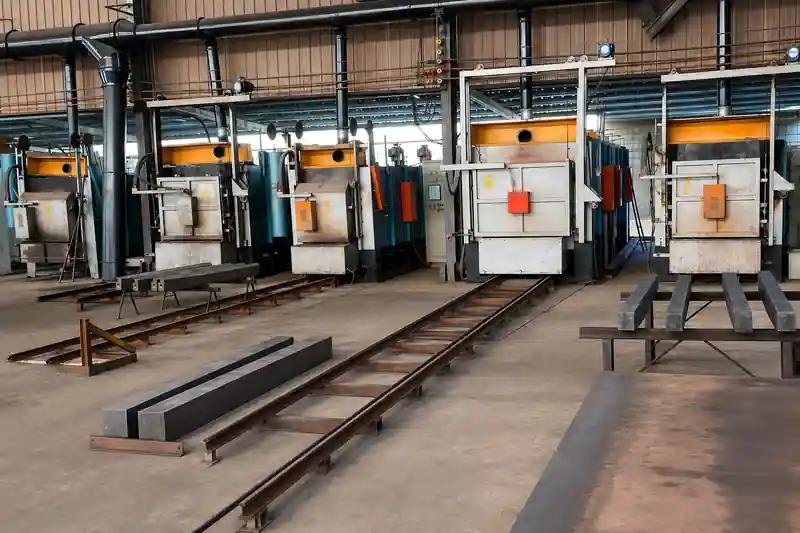
When discussing a custom order, buyers should clarify:
- What hardness requirement is proposed for the selected material?
- Is the requirement appropriate for the blade dimensions and working conditions?
- How is hardness measured and recorded?
- Are inspection results available for the finished product or relevant production batches?
- How are non-conforming results handled?
It is important to distinguish between a stated hardness target and an actual inspection result. A quotation may specify an HRC value, but buyers should understand whether this is simply a technical requirement or a result verified during production.
For buyers who need a reference for Rockwell testing, ASTM E18 – Standard Test Methods for Rockwell Hardness of Metallic Materials describes test methods for metallic materials. The applicable scale, test location, sample condition and acceptance limits should still be agreed for the specific blade and order. This reference does not mean that every blade is automatically tested to ASTM E18.
5. Will the Replacement Blades Fit Your Equipment Correctly?
For buyers purchasing OEM replacement shredder blades, dimensional compatibility is one of the most important considerations. A blade can have the correct general shape and still fail to fit properly if its mounting holes, thickness or other critical dimensions are incorrect.
This is particularly important when replacing blades in an existing machine, where the installation structure and original specifications may already be established. Before production, the buyer and supplier should agree on the dimensions that directly affect installation and operation.
- Overall length, width and thickness
- Mounting-hole positions and diameters
- Counterbore dimensions
- Flatness and relevant contact surfaces
- Tooth profile and cutting-edge geometry
- Other dimensions specified in the approved drawing
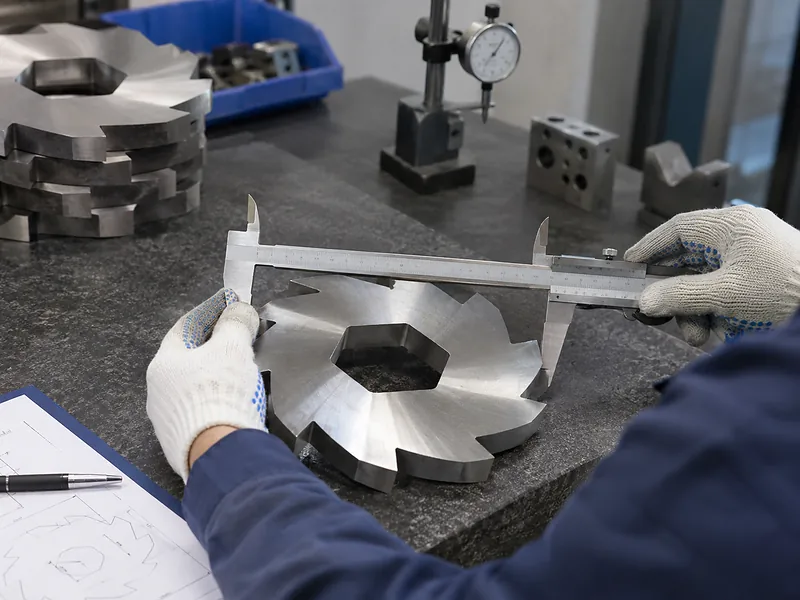
The inspection requirements should follow the approved technical drawing and the actual machine interface. Buyers should also clarify the source of the dimensional information. Was it taken from the original drawing, measured from an unused reference blade, or obtained from an existing worn sample? This distinction matters because a worn sample may no longer represent the original dimensions accurately.
A supplier should be able to explain how critical dimensions are checked and whether inspection records can be provided according to the agreed requirements. Correct dimensions help reduce installation problems and avoid unnecessary adjustments during replacement.
6. How Are Specifications Confirmed Before Batch Production?
For a first order, especially one involving non-standard blades, it is worth discussing how the specifications will be confirmed before full production. This is particularly relevant when the buyer and supplier have not worked together before or when the original blade drawing is incomplete.
Depending on the product and order requirements, the confirmation process may involve:
- Reviewing the drawing, sample or available technical information.
- Confirming the material, dimensions and other agreed specifications.
- Producing a sample when necessary and commercially practical.
- Inspecting the sample against the agreed requirements.
- Reviewing any requested changes.
- Confirming the final specification for batch production.
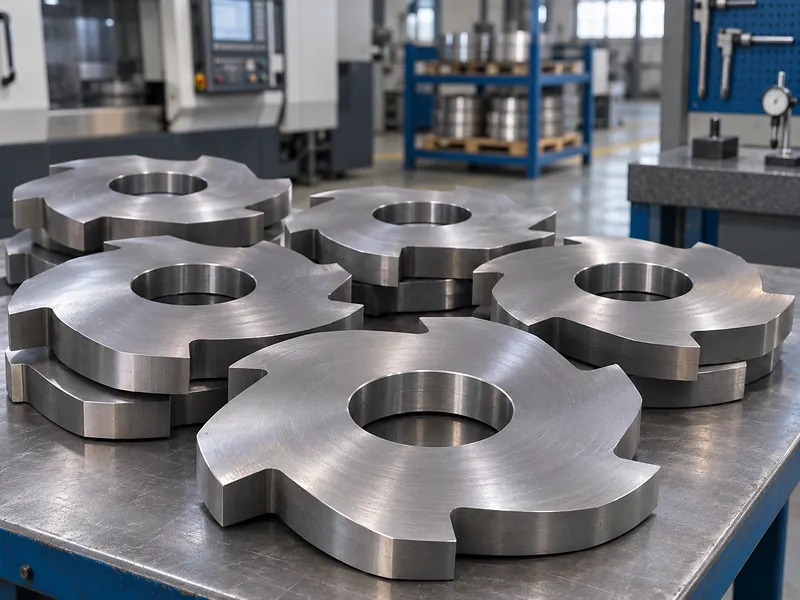
Not every order requires a separate sample. For repeat products with established drawings and specifications, the buyer may prefer to proceed directly with production. For a new design or a replacement blade developed from an old sample, additional confirmation can help prevent misunderstandings.
Any changes made during the approval process should be documented. The final approved drawing should be clearly identified so both parties work from the same version.
7. Can the Supplier Maintain Consistency for Future Orders?
For most recycling plants, shredder blades are recurring maintenance items. Once a suitable blade specification has been established, the buyer will usually want the next order to follow the same approved requirements.
A supplier supporting repeat orders should have a clear way to retain and reference important product information, such as:
- Approved technical drawings and revisions
- Material grades and agreed specifications
- Hardness requirements
- Critical dimensions and tolerances
- Relevant inspection records
- Previous order details
This information makes it easier to communicate when the same blades are required again. It is also useful for equipment manufacturers and distributors who need to manage replacement parts for different machines or customers.
Beyond technical records, buyers may also want to understand the supplier's approach to order communication, production scheduling, packaging and export preparation. A supplier who can refer to previously approved specifications is generally easier to work with than one that treats every repeat order as a completely new enquiry.
A Quick Comparison Before You Place an Order
When evaluating several custom shredder blade suppliers, it helps to compare the same requirements rather than relying on quotation prices alone.
|
What to Compare |
What to Confirm |
|
Application |
Has the supplier understood the machine and processed material? |
|
Engineering |
Can the supplier review drawings or existing blade samples? |
|
Material |
Are the material grade and requirements clearly identified? |
|
Heat Treatment |
Are hardness requirements and inspection methods defined? |
|
Dimensions |
Are mounting and other critical dimensions checked? |
|
Production Approval |
Are specifications confirmed before batch production when necessary? |
|
Repeat Orders |
Can approved drawings and product requirements be retained? |
If the quotations differ considerably, ask suppliers to clarify the differences in material, manufacturing requirements, inspection scope and delivery arrangements. A lower initial price does not necessarily represent the better purchasing option if important technical requirements are unclear.
Frequently Asked Questions
What should I look for when choosing a custom shredder blade supplier?
Start with the supplier's ability to understand your application and review the blade specifications. Material selection, heat treatment, dimensional inspection, production approval and support for repeat orders should also be considered.
Is a higher hardness rating always better for shredder blades?
No. Hardness should be considered together with toughness, blade geometry, material properties and operating conditions. A higher hardness value does not automatically mean a blade is more suitable for every recycling application.
Can a supplier make replacement blades from an old blade sample?
An existing blade can be used as a reference for measurement. However, wear or deformation may have changed its original dimensions, so critical specifications should be reviewed before production.
What information should be included in a shredder blade inspection report?
The inspection scope should reflect the approved drawing and order requirements. Depending on the project, this may include material information, hardness results, critical dimensions and final inspection records.
How can I make sure repeat orders have the same blade specifications?
Keep the final approved drawing, material requirements, hardness specifications, critical dimensions and inspection requirements. Referencing the same approved version when placing another order helps avoid specification differences.
Conclusion
Choosing a custom shredder blade supplier is about more than finding a manufacturer that can produce a blade to a quoted size. The supplier should understand the application, review the available technical information, clarify material and inspection requirements, and keep the approved specifications available for future orders.
For recycling plants, equipment manufacturers and spare parts distributors, these checks can make the purchasing process clearer and help reduce avoidable problems during replacement.
If you are sourcing custom replacement blades, prepare the machine model, blade drawings or sample photographs, processed material and required quantity. Even if some information is not available, these details can help start a more useful technical discussion.
To discuss your requirements, send your drawing or blade enquiry to SHJ KNIFE .
Looking for custom shredder blades for your recycling equipment?
No Information


