


Plastic Film Shredder Blades: What to Check Before Ordering
Introduction
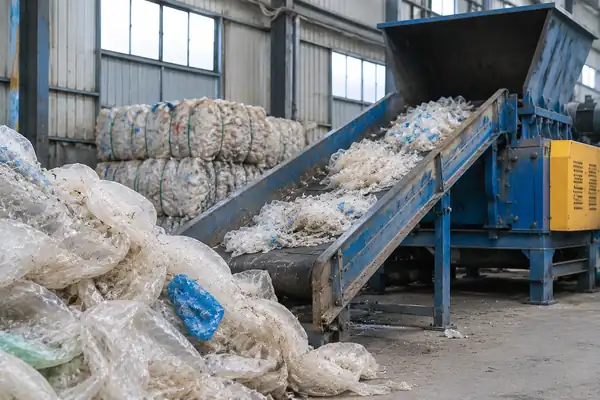
Plastic film can be surprisingly difficult to shred. Unlike rigid plastic parts, it tends to fold, stretch and wrap around moving components rather than being cut cleanly. In a recycling plant, this can lead to inconsistent feeding, material build-up and interruptions to normal operation.
These problems are not always caused by worn knives. The type of film being processed, the shredder configuration and the relationship between rotor knives and counter knives all play a part.
For buyers looking for plastic film shredder blades, the challenge is finding a replacement that matches both the material and the existing machine. This article looks at the points worth checking, from blade configuration and operating conditions to specifications and ordering requirements.
If you are sourcing plastic shredding knives for a recycling line, understanding these differences is a useful starting point before confirming a replacement order.
Article Summary
- Introduction
- 1. Why Is Plastic Film More Difficult to Shred Than Rigid Plastic?
- Film Flexibility and Feeding Behaviour
- Why Does Plastic Film Wrap Around the Rotor?
- 2. What Should You Check When Selecting Plastic Film Shredder Blades?
- Blade Geometry and Cutting Edge Design
- Rotor Knives and Counter Knives Must Work Together
- Single-Shaft and Double-Shaft Shredder Applications
- Blade Material and Operating Conditions
- 3. When Should Plastic Shredder Knives Be Inspected or Replaced?
- 4. What Information Do You Need When Ordering Replacement Plastic Shredder Blades?
- Frequently Asked Questions
- Looking for Custom Plastic Film Shredder Blades?
1. Why Is Plastic Film More Difficult to Shred Than Rigid Plastic?
The difference starts with the material itself. A rigid plastic component generally maintains its shape as it enters the cutting chamber. Thin film behaves differently: it bends, stretches and folds under pressure, making consistent cutting more dependent on the feeding and cutting arrangement.
Film Flexibility and Feeding Behaviour
Plastic film comes in several forms, including PE stretch film, packaging film, woven PP bags and agricultural film. Each presents different processing conditions.
Loose stretch film may fold or bunch together before reaching the rotor. Woven bags can have a different structure and thickness from thin packaging film. Agricultural film may also carry soil, sand and other contaminants into the machine.
These differences matter when selecting shredder knives. A blade configuration that works on clean production offcuts may not deliver the same results when processing mixed or contaminated post-consumer film.
For buyers handling commercial and post-industrial PE film, the ReMA and APR recycled plastic specifications provide a useful reference for understanding film grades and contamination categories. These are feedstock trading references rather than blade design specifications.
For this reason, the actual feedstock should be identified before a replacement specification is agreed.
Why Does Plastic Film Wrap Around the Rotor?
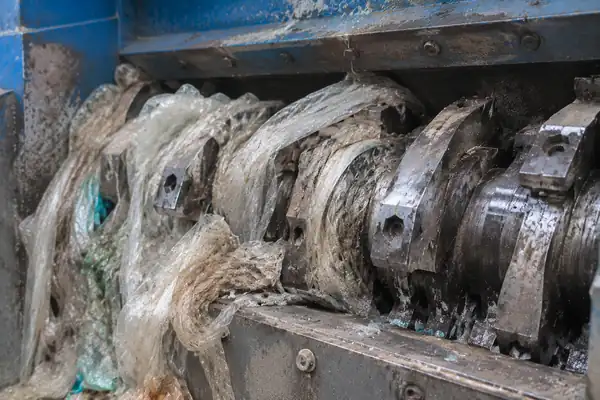
Film wrapping is a common concern in plastic film shredding. Because the material is flexible, it may be pulled towards the rotor without being cut and discharged as intended. Once material begins to accumulate around moving components, feeding and cutting can become less consistent.
The cause is not necessarily a dull blade. Knife geometry, rotor design, counter-knife condition, feeding arrangements and the layout of the cutting chamber can all influence how film moves through the machine.
When wrapping occurs repeatedly, it is worth checking the complete cutting system rather than replacing the knives without investigating the underlying problem.
2. What Should You Check When Selecting Plastic Film Shredder Blades?
Once the material and processing conditions are understood, attention can turn to the knives themselves. Several details deserve consideration before ordering a replacement set.
Blade Geometry and Cutting Edge Design
Blade geometry determines how a knife interacts with the material and the opposing cutting components. Edge profile, blade shape, dimensions and mounting position all need to correspond to the machine's design.
For plastic film applications, the objective is not simply to choose a thinner or sharper edge. The knife must work with the intended cutting arrangement and withstand the operating conditions of the shredder.
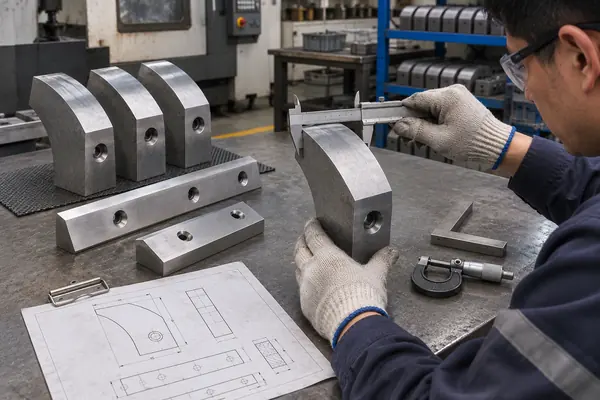
When replacing existing knives, compare the new specification with the original drawing or sample. Even small differences in the cutting edge, bevel direction or mounting dimensions may affect installation and cutting performance.
Rotor Knives and Counter Knives Must Work Together
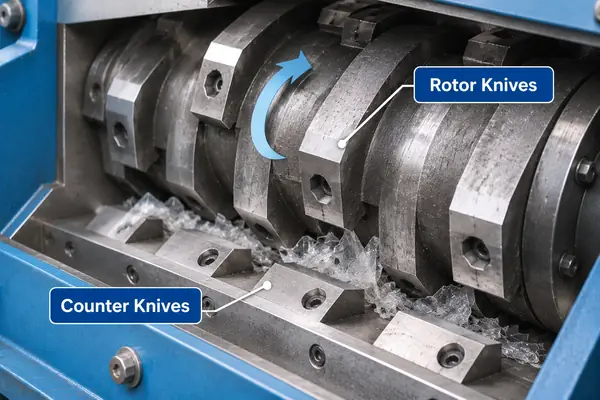
In many single-shaft shredders, rotor knives work against stationary counter knives. The material is drawn towards the cutting area and processed through the interaction of these components.
The condition and alignment of both sides matter. If a rotor knife has been replaced but the opposing counter knife is excessively worn or incorrectly positioned, the cutting system may still fail to deliver the expected result.
Cutting clearance is another important consideration. It must follow the machine manufacturer's specifications rather than a general value applied to every shredder.
For replacement projects, we recommend checking the complete knife arrangement, including the mounting position and the condition of the mating components. Buyers who want a broader overview of cutting structures can also read our guide to types of shredder blades.
Single-Shaft and Double-Shaft Shredder Applications
Not all plastic film recycling lines use the same shredding equipment. Single-shaft shredders and double-shaft shredders have different cutting arrangements, feeding methods and operating characteristics.
A single-shaft machine commonly uses rotor knives working with counter knives, sometimes alongside a screen to control the discharged material size. Double-shaft equipment uses two rotating shafts with a different cutter arrangement and may be selected for particular pre-shredding applications.
This distinction matters when ordering plastic film shredder blades. A double-shaft knife is not automatically interchangeable with a single-shaft rotor knife, even if both are used in plastic recycling.
The machine model, cutter arrangement and actual knife position should always be checked before confirming a replacement specification.
For applications using a two-shaft cutting system, our Double Shaft Shredder Knife page provides more information about the relevant replacement blade configurations and OEM requirements.
Blade Material and Operating Conditions
Blade material should be selected in relation to the actual working conditions, not simply because one grade is marketed as more wear-resistant than another.
Clean plastic film, contaminated agricultural film and mixed plastic waste can expose knives to different levels of abrasion and impact. Operating hours, foreign materials and maintenance practices also influence the service conditions.
At SHJ KNIFE, material selection and heat-treatment requirements are considered as part of the blade manufacturing process. The appropriate specification needs to take the application, blade geometry and operating conditions into account.
For buyers comparing different steel grades and their applications, our guide to the best material for shredder blades provides further information about material selection.
Providing information about the material being processed and any recurring blade problems makes it easier to discuss a suitable replacement specification.
3. When Should Plastic Shredder Knives Be Inspected or Replaced?
A decline in shredding performance does not automatically mean that every knife needs replacing. Changes in feeding behaviour, output consistency and machine operation should be considered alongside the physical condition of the cutting edges.
Regular inspection helps identify whether the knives need sharpening, repositioning or replacement. The available maintenance options depend on the original blade design and the machine manufacturer's recommendations.
Regrinding can be an option for knives designed to be sharpened, but the original dimensions and cutting-edge geometry must be maintained. Excessive material removal or an incorrect edge profile can affect the fit and performance of the cutting system.
It is also worth inspecting the opposing knives, mounting surfaces and fastening components when carrying out replacement work. Installing new knives without checking the surrounding components may leave an existing problem unresolved.
If blade wear occurs more frequently than expected, feedstock contamination, operating conditions and machine setup should also be reviewed. Our article on why shredder blades wear out fast discusses several factors that can contribute to premature wear.
All inspection and replacement work should follow the machine manufacturer's safety procedures, including proper isolation before accessing the cutting chamber. For U.S. workplaces, OSHA's recycling industry safety guidance provides further information about lockout/tagout and the control of hazardous energy during equipment maintenance.

4. What Information Do You Need When Ordering Replacement Plastic Shredder Blades?
For industrial buyers, obtaining a replacement blade is not simply a matter of matching its length and width. The mounting arrangement, cutting-edge design and machine configuration must also be considered.
As an industrial knife manufacturer, SHJ KNIFE works with customer drawings, existing samples and OEM requirements when manufacturing replacement knives. Providing accurate reference information at the beginning of an enquiry helps establish the required specifications.
The following information is useful when discussing a replacement project:
- Machine Manufacturer and Model
Provide the shredder manufacturer, machine model and, where available, the serial number. This helps identify the equipment and its cutting arrangement. - Existing Blade Drawings or Samples
An original drawing is useful for confirming dimensions, tolerances, mounting details and cutting-edge geometry. If drawings are unavailable, an existing sample can provide a physical reference for specification review. - Blade Dimensions and Mounting Details
Include the blade's length, width, thickness, hole positions, mounting features and other relevant measurements. Photographs of the blade installed in the machine can also help clarify its position. - Film Type and Operating Conditions
Explain whether the machine processes stretch film, packaging film, woven bags, agricultural film or mixed plastic waste. Information about contamination and operating conditions is also helpful when discussing material and heat-treatment requirements. - Quantity and OEM Requirements
For OEM and repeat-order projects, provide the required quantity, drawing revision and any applicable inspection or quality requirements. This helps establish a consistent manufacturing specification for the order.
At SHJ KNIFE, we manufacture industrial replacement knives according to confirmed customer specifications. Custom production, drawing-based manufacturing, sample-based reference, material selection, inspection and OEM batch supply can be discussed according to the requirements of each project.
Frequently Asked Questions
Why Does Plastic Film Wrap Around Shredder Blades?
Plastic film is flexible and can stretch or fold instead of being cut cleanly. Wrapping may also be influenced by feeding conditions, rotor design, knife geometry and the condition of the counter knives. The complete cutting arrangement should be checked when the problem occurs repeatedly.
Are Plastic Film Shredder Blades Different from Rigid Plastic Shredder Blades?
The required configuration may differ depending on the material and machine. Thin film behaves differently from rigid plastic parts, so blade geometry, feeding arrangements and the cutting system need to be considered together.
Can Replacement Shredder Blades Be Manufactured from Existing Drawings or Samples?
Yes. SHJ KNIFE can manufacture custom replacement knives using customer drawings or existing blade samples as references. Dimensions, mounting details and other specifications should be reviewed and confirmed before production.
What Information Should I Send When Requesting a Replacement Blade Quote?
Machine model, blade drawings or samples, dimensions, photographs and details of the material being processed are useful starting points. For OEM orders, quantity and inspection requirements should also be included.
Looking for Custom Plastic Film Shredder Blades?
The right replacement knife starts with a clear understanding of the material, machine and original blade specification.
At SHJ KNIFE, we manufacture industrial knives for replacement and OEM applications. Whether you have an existing drawing, a physical blade sample or a specific replacement requirement, our team can review the available information and discuss the manufacturing specifications with you.
To learn more about our industrial knife manufacturing background and working approach, visit About SHJ KNIFE.
Have a replacement project in mind? Send us your blade drawing, sample details or machine information to discuss a custom manufacturing solution for your plastic recycling equipment.
No Information


